

The Health & Genetics Letter
RobGenes Journal
A little science. A clearer perspective on your everyday health.
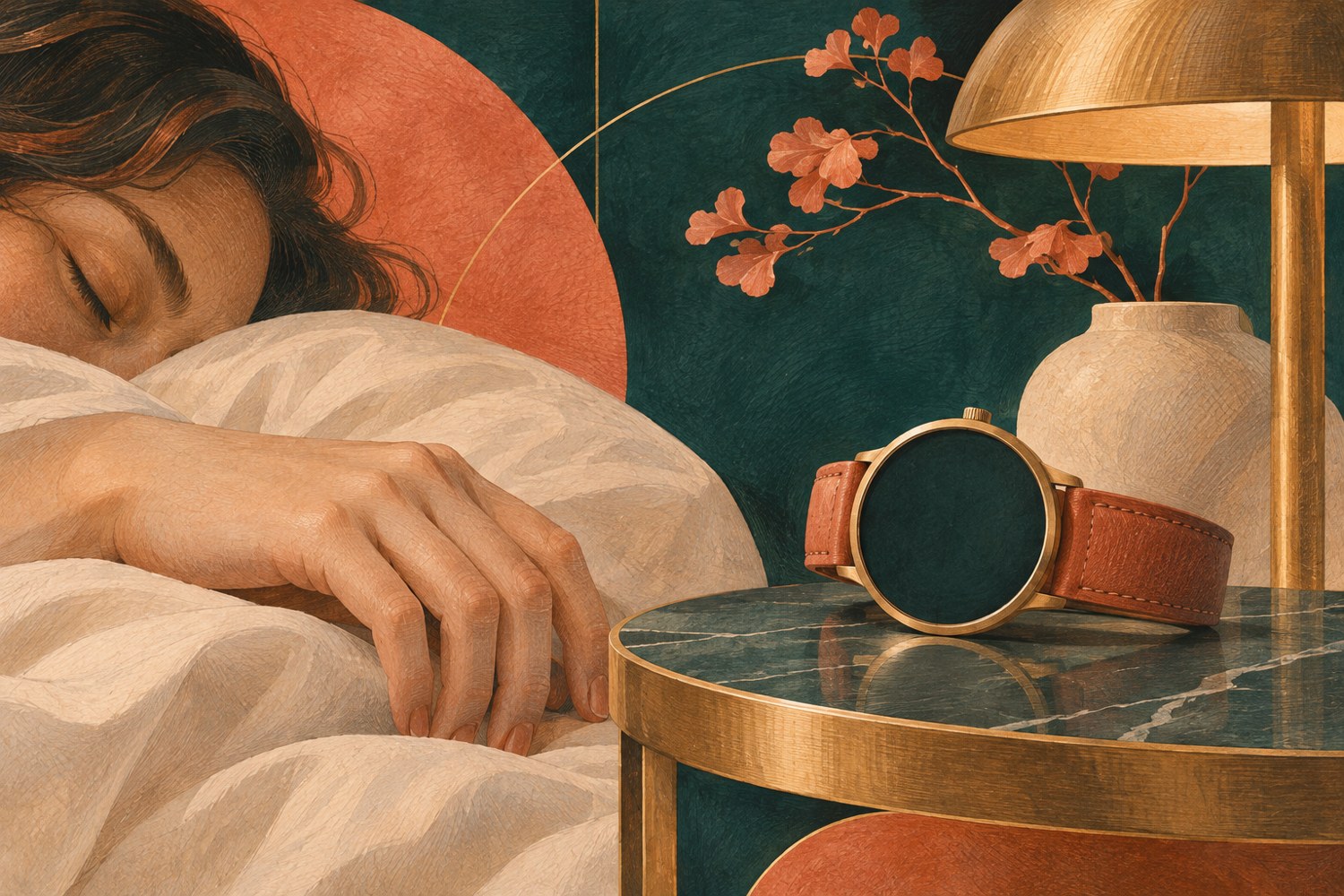
Can I trust my watch’s deep-sleep score?
You wake up refreshed. Your watch says you barely got any deep sleep. Before you worry, look at what the device actually measured.

Can breast cancer risk come from my father’s side?
When a clinician asks about breast cancer in the family, a father’s sister belongs in the conversation just as much as a mother’s sister.

Could this be perimenopause if I still get periods?
A period that arrives early, a hot flush during a meeting, then a month that feels ordinary. The transition can be uneven.
Can iron be low before anemia shows up?
You feel unusually tired, yet your hemoglobin is in range. A second number, ferritin, answers a different question about your iron.
Why am I wide awake at bedtime?
You fight sleep on the sofa, then feel alert as soon as you get into bed. Two different signals help explain how that can happen.

Heart attacks in the family? Ask about Lp(a)
Your cholesterol report may look reassuring even when an inherited risk factor is missing from the page. A separate blood test can fill that gap.
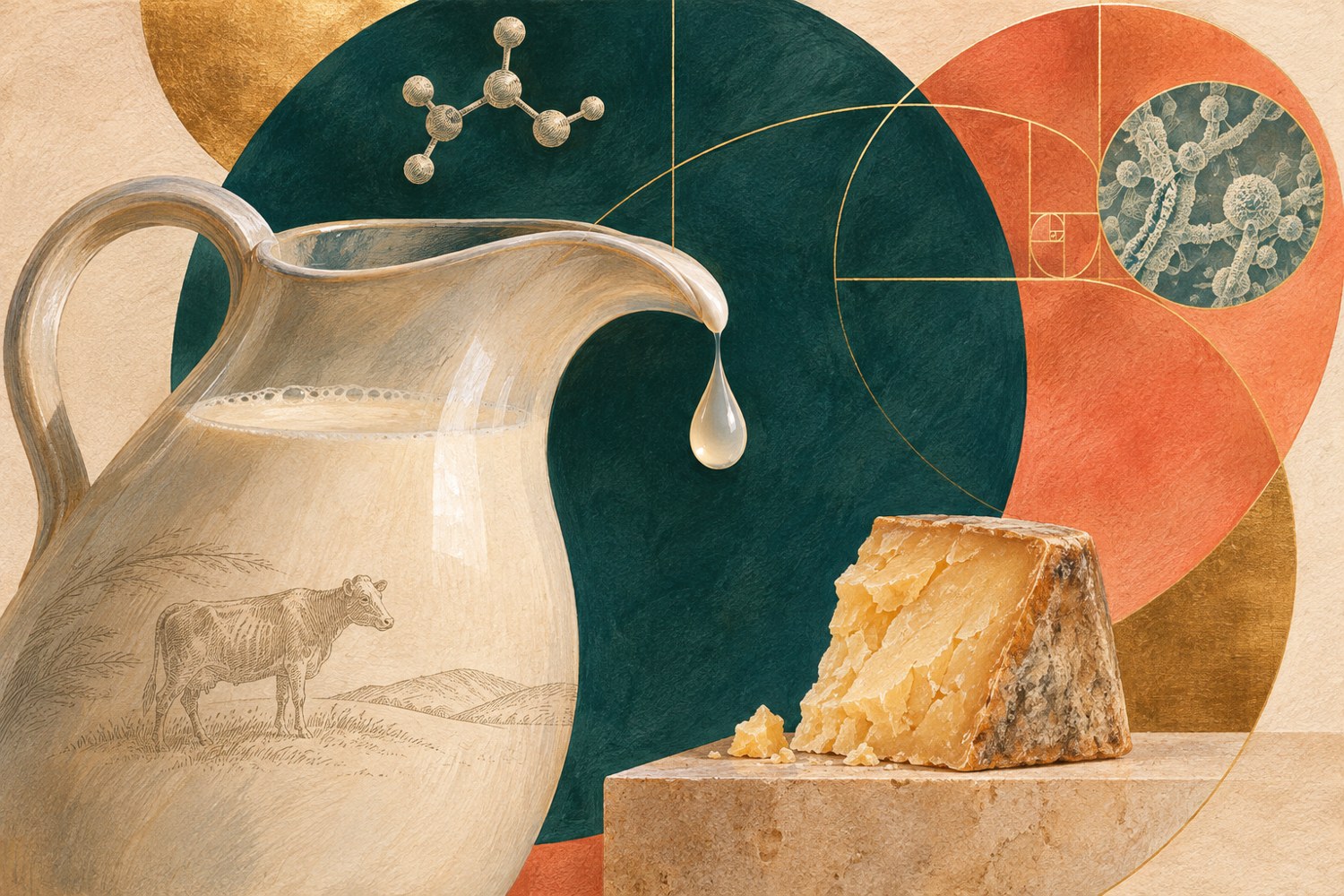
Why is cheese easier on my stomach than milk?
A glass of milk leaves you bloated. A little aged cheese feels fine. The difference may come down to the sugar left in each serving.
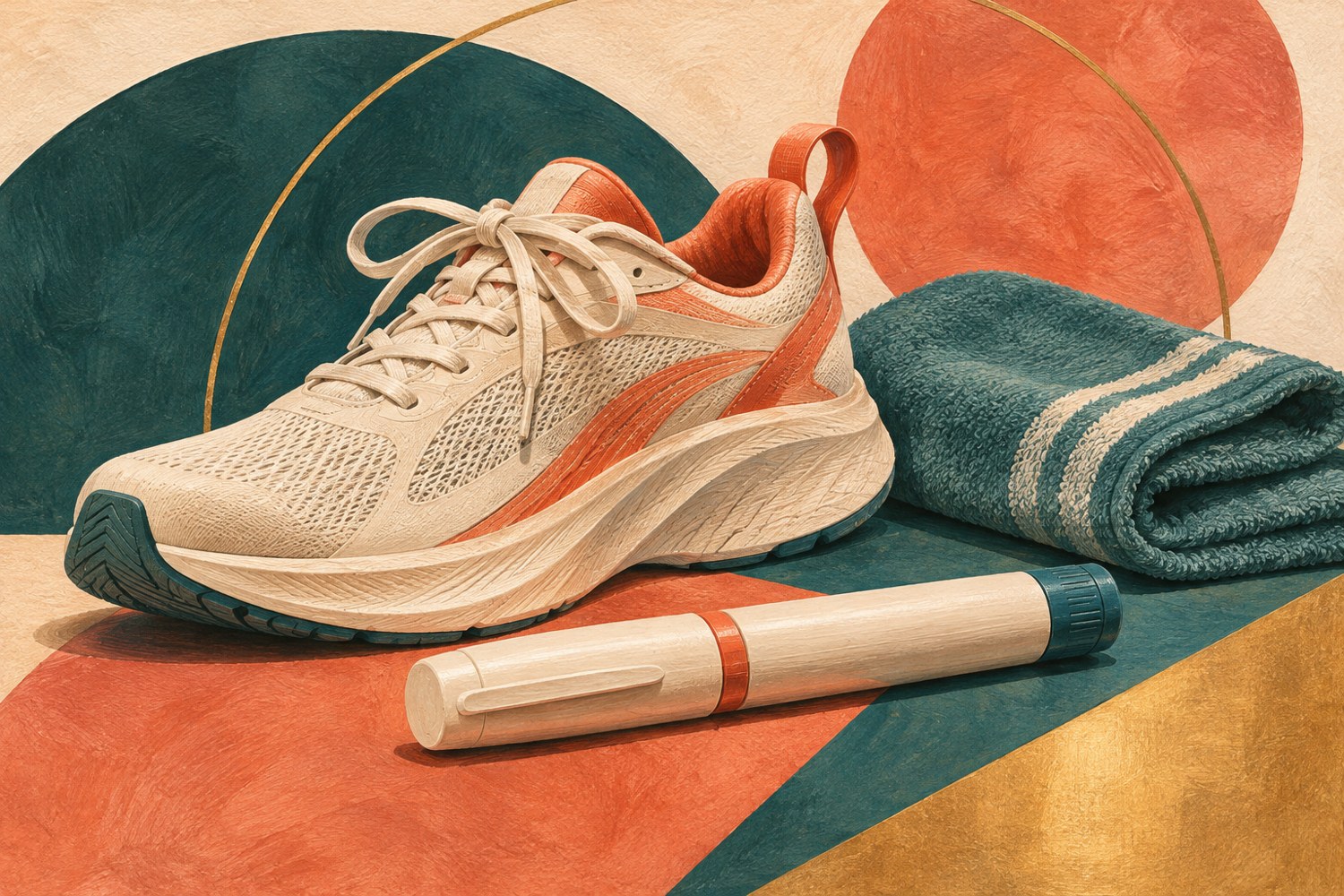
How can you protect muscle on a weight-loss injection?
When you fill up halfway through lunch, what stays on the plate matters. Keeping your strength deserves a place in the conversation about weight loss.

Is your afternoon coffee costing you sleep?
Two people can share the same pot of coffee and have very different nights. The size of the dose matters as much as the time on the clock.
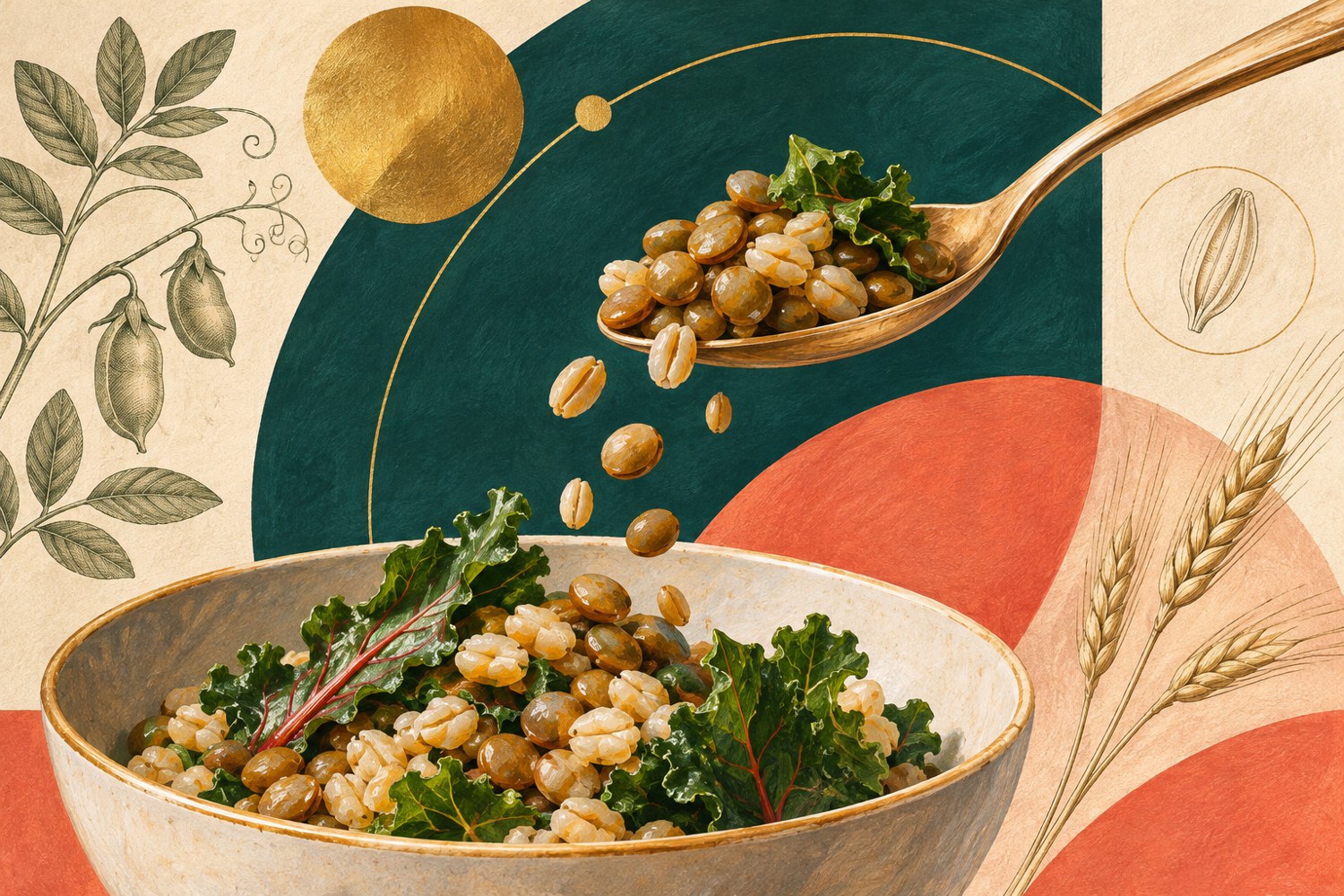
How much fiber does your gut need?
A bowl of lentil soup can do more for a low-fiber lunch than a dramatic change of diet. Here’s how to give your gut time to adjust.